 Heritage journeys of Indochina
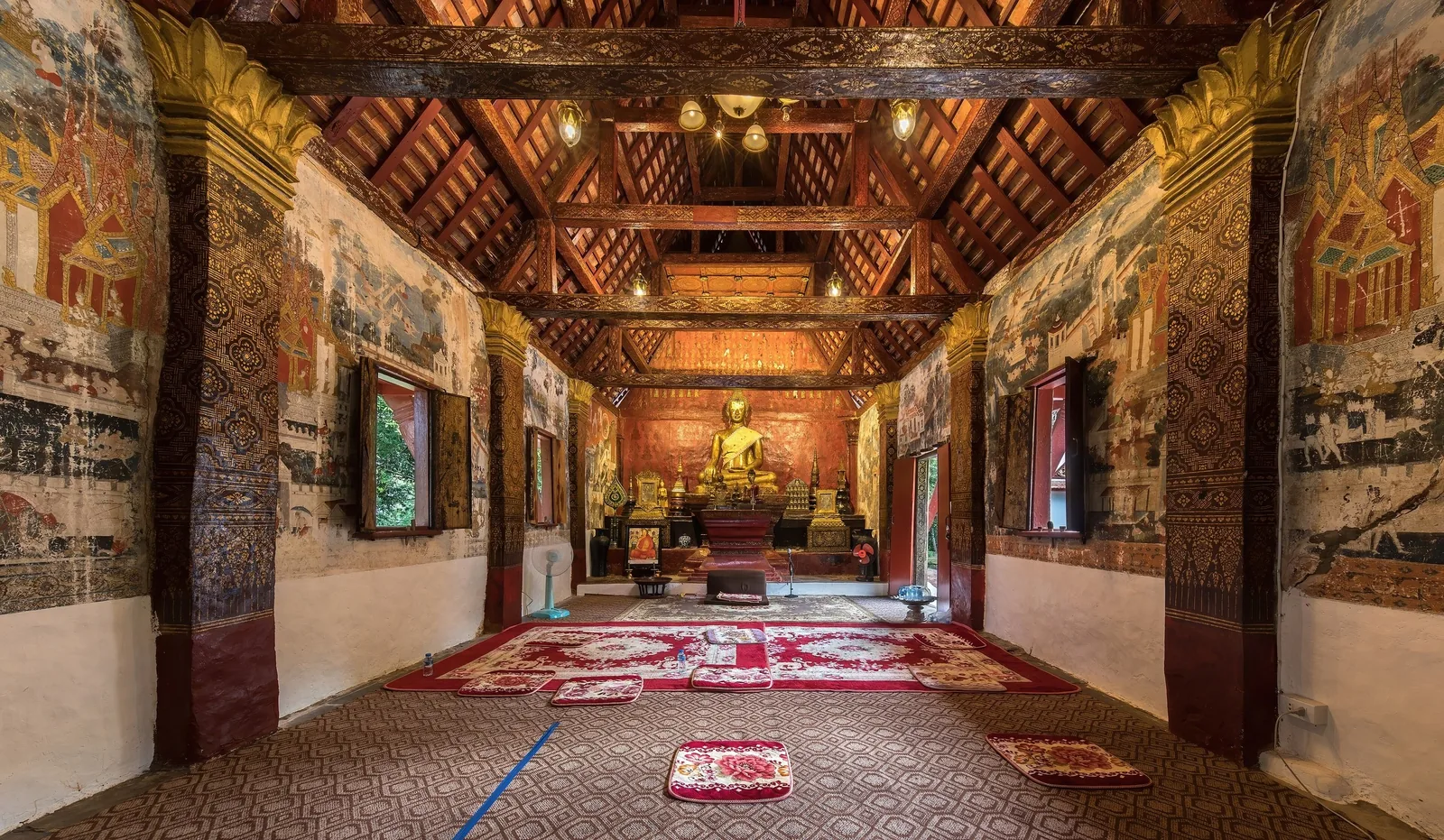
Etiquette
Dress and conduct at temples and palaces
What to wear and how to behave at Vietnamese pagodas, the Khmer temples of Angkor, the monasteries of Luang Prabang and the former royal palaces, with the rules the site managers themselves publish where we could find them.
The short version
Cover shoulders and knees
At every religious site and at the Luang Prabang palace museum. Carry a light scarf or shirt; it solves most problems.
Shoes off where others take them off
At the threshold of prayer halls and monastery buildings. Look for a row of shoes and follow it.
Keep below and apart from monks
Do not touch a monk. Women in particular should not hand anything directly to a monk or sit beside one.
Quiet voice, no flash
Many sites are places of worship first. A phone on silent and no flash covers most of it.
Cambodia: the Angkor code of conduct
The APSARA National Authority, which manages the Angkor park, publishes a visitor code of conduct. In summary, as reported by a Siem Reap information site:
- Dress: shorts, tank tops and skirts above the knee are considered highly disrespectful; avoid bare shoulders.
- Do not touch carvings, sit on fragile structures, lean on walls or move any stone or artefact.
- Ask before photographing monks; keep a respectful distance, especially if you are a woman; never touch or hug a monk.
- Keep voices low. The temples are still used for worship.
- Respect signs closing areas under restoration or unsafe.
- No smoking anywhere in the park, which has been smoke-free since 2012, and no littering.
- No drones without written permission from APSARA; professional filming needs a permit.
In practice, the dress code is most strictly enforced where people climb to the upper sanctuary of a temple, such as the central tower at Angkor Wat. A visitor turned away there has usually travelled a long way for nothing, so we put the dress rule in every travel file for the Angkor journey.
Sources: SiemReap.net — Angkor visitor code of conduct (summary of APSARA rules) · checked .
Laos: the alms round and the monasteries
The Laos Tourism Board publishes guidance for watching the morning alms round in Luang Prabang, which begins around 05:30 in the hot months and closer to 06:30 in the cool season:
- Take photographs from across the road and keep a respectful distance; do not follow the procession.
- Turn off your camera’s flash and keep your phone silent.
- Dress conservatively, covering shoulders, chest and legs.
- If you take part, remove your shoes, stay silent, and keep your head lower than the monks’; women in particular should do so. Do not make eye contact with the monks or touch them.
- Buy sticky rice at the morning market rather than from vendors on the main road.
At the Royal Palace Museum, knees and shoulders must be covered, or you will be refused entry; traditional dress can be rented at the door. Photography and personal belongings are not allowed inside. The monasteries expect the same modesty; inside a sim, the ordination hall, sit with your feet pointing away from the Buddha image.
Sources: Discover Laos (Laos Tourism Board) — Royal Palace Museum; Discover Laos (Laos Tourism Board) — alms giving · checked .
Vietnam: pagodas, temples and the imperial sites
Vietnamese pagodas and communal temples are relaxed compared with Laos, but the same basics apply. Cover shoulders and knees, take off shoes where you see others do so, and do not stand with your back to the main altar for photographs. Ask before photographing people at prayer. Do not touch offerings on the altars, and do not climb on statues or balustrades.
At the imperial sites in Hue and the Thang Long citadel in Hanoi, the rules are those of a museum rather than a temple: stay off fenced areas and do not touch lacquered or gilded surfaces. But the royal tombs in Hue contain altars that are still tended, and the Hue citadel holds temples to the Nguyen emperors; modest dress is expected there. At My Son, the Cham towers are no longer used for worship, but they are fragile; keep off the brickwork.
A packing note for each country
| Country | What to carry | Why |
|---|---|---|
| Vietnam | Light long trousers or a long skirt; a shirt with sleeves | Pagodas and royal tombs; heat makes shorts tempting |
| Cambodia | Clothing covering shoulders and knees, for every temple day | Enforced at upper sanctuaries |
| Laos | A scarf or shawl; shoes easy to slip off | Monastery thresholds; museum dress rule |
Shoes that slip on and off quickly matter more than people expect. On a day in Luang Prabang you may remove them many times.
Why we take this seriously
Our journeys are built around seeing these places well, and seeing a place well includes being welcome in it. Most rules here are simple; most mistakes come from not knowing them. Every travel file we send includes the dress and conduct notes for the sites on that itinerary, and every guide is asked to brief you before a religious site rather than after a mistake. For the sites themselves, the year they were inscribed and the hours they are quietest, see the heritage sites table; for places, see Luang Prabang and Angkor.
Plan your trip
Planning a temple-heavy trip?
We include the rules for each site in your travel file.
Common questions
Questions travellers ask most
Can I wear shorts at Angkor?
The visitor code of conduct treats shorts and skirts above the knee as disrespectful, and you may be refused access to the upper levels. Long, light trousers are the practical answer.
Do I need to take my shoes off at Vietnamese pagodas?
In some halls, yes. Where you see shoes left at a door, add yours to them.
Is it rude to watch the alms round in Luang Prabang?
Watching quietly from across the street is fine. Following the monks, using flash or blocking their way is not.
Can women hand something to a monk?
Traditionally a woman does not hand an object directly to a monk; it is placed on a cloth or passed through a man. In a temple setting, ask your guide.
Related
Read next
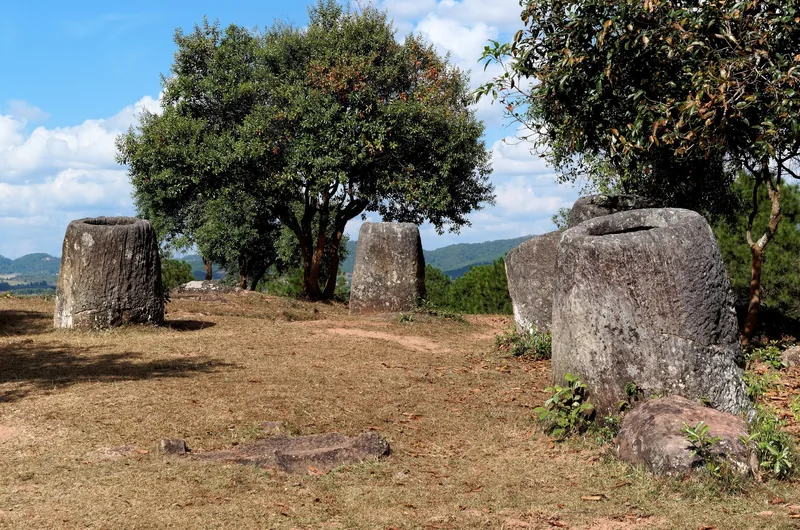
Heritage table
UNESCO heritage sites
All seventeen World Heritage properties, with years, hours and tickets.
View this journey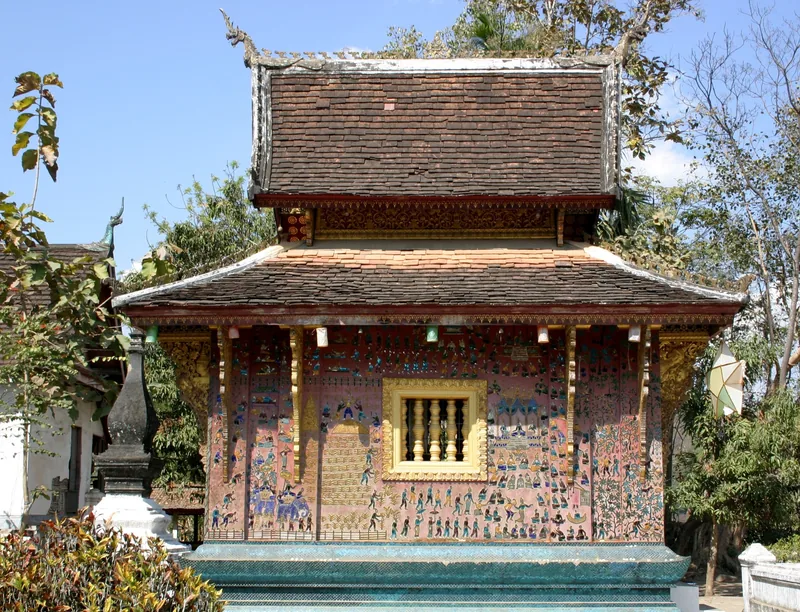
Destinations · Laos
Luang Prabang
The royal town of Luang Prabang: monasteries, museum, alms round.
View this journey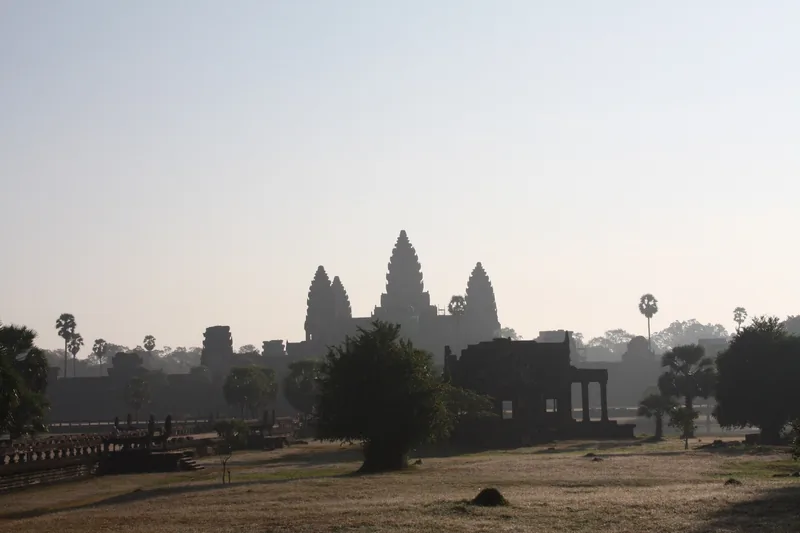
Destinations · Cambodia
Angkor
The Khmer capitals of Angkor: days needed, hours and passes.
View this journey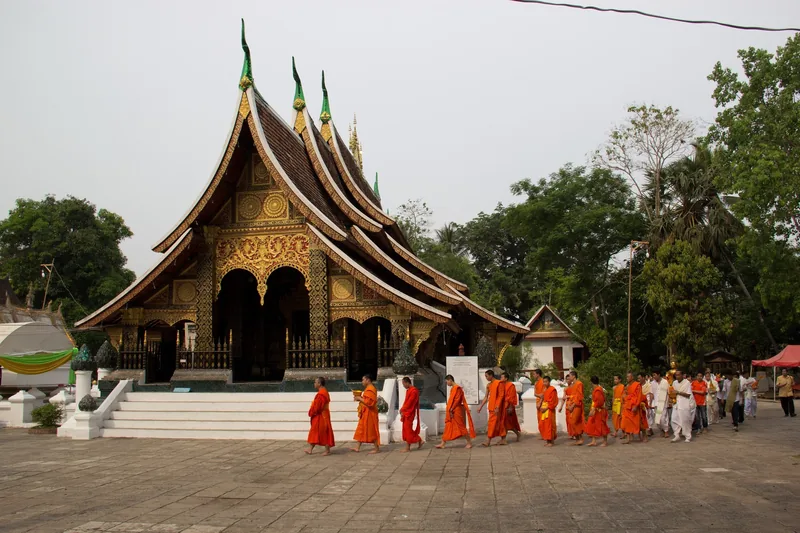
Example journey
Laos heritage 8 days
The three Lao World Heritage listings in eight days.
View this journey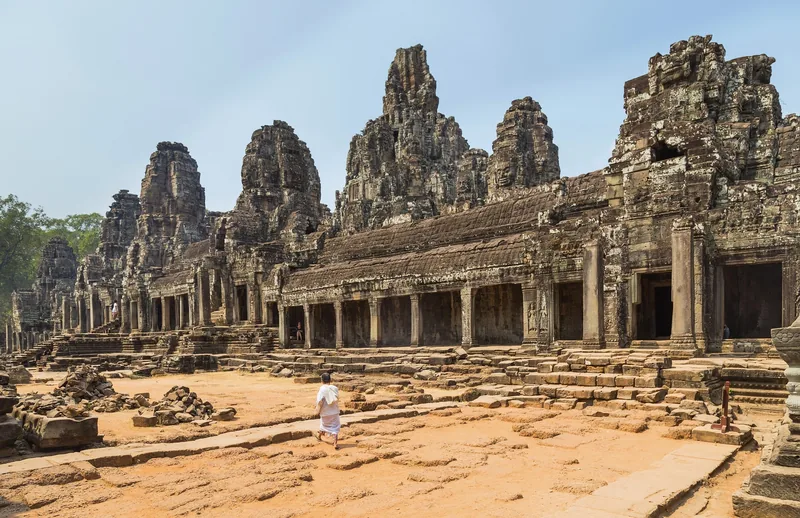
Example journey
Angkor and Sambor Prei Kuk 6 days
Five nights at Angkor and a day at pre-Angkorian Sambor Prei Kuk.
View this journey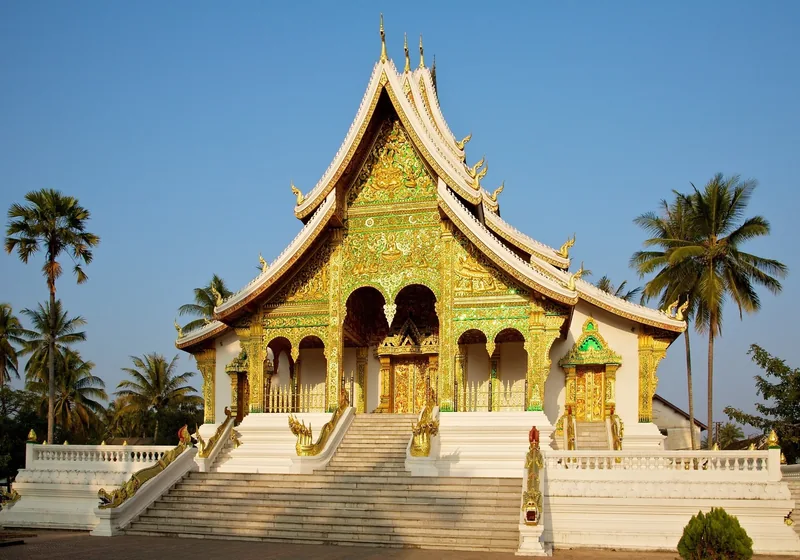
Destinations
Destinations
The four heritage places our journeys are built around.
View this journey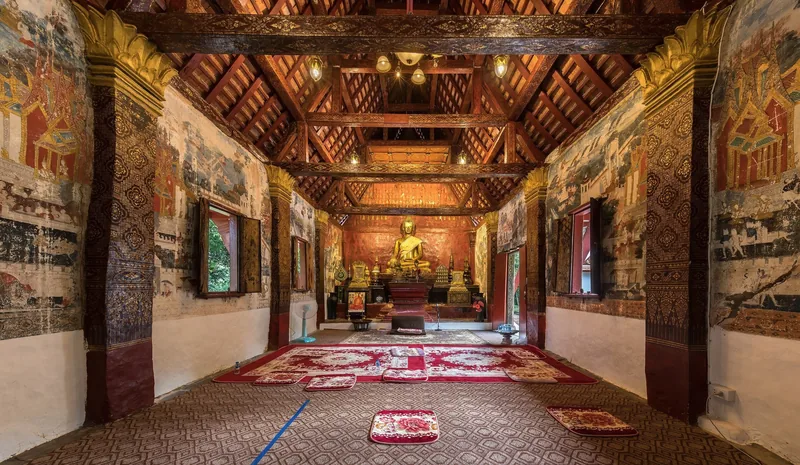
Start planning
Tell us about the trip you have in mind
Dates, party size and the places you care about are enough to start. You get a draft route and an indicative price, not a brochure.