 Heritage journeys of Indochina
Destinations · Vietnam
Hoi An and My Son: a port and a sanctuary
Two World Heritage sites inscribed in the same year, 1999, an hour apart and many centuries apart in age: a merchant town of timber shophouses on the Thu Bon river, and the brick tower-temples of the kingdom of Champa.
Hoi An and My Son at a glance
What Hoi An actually is
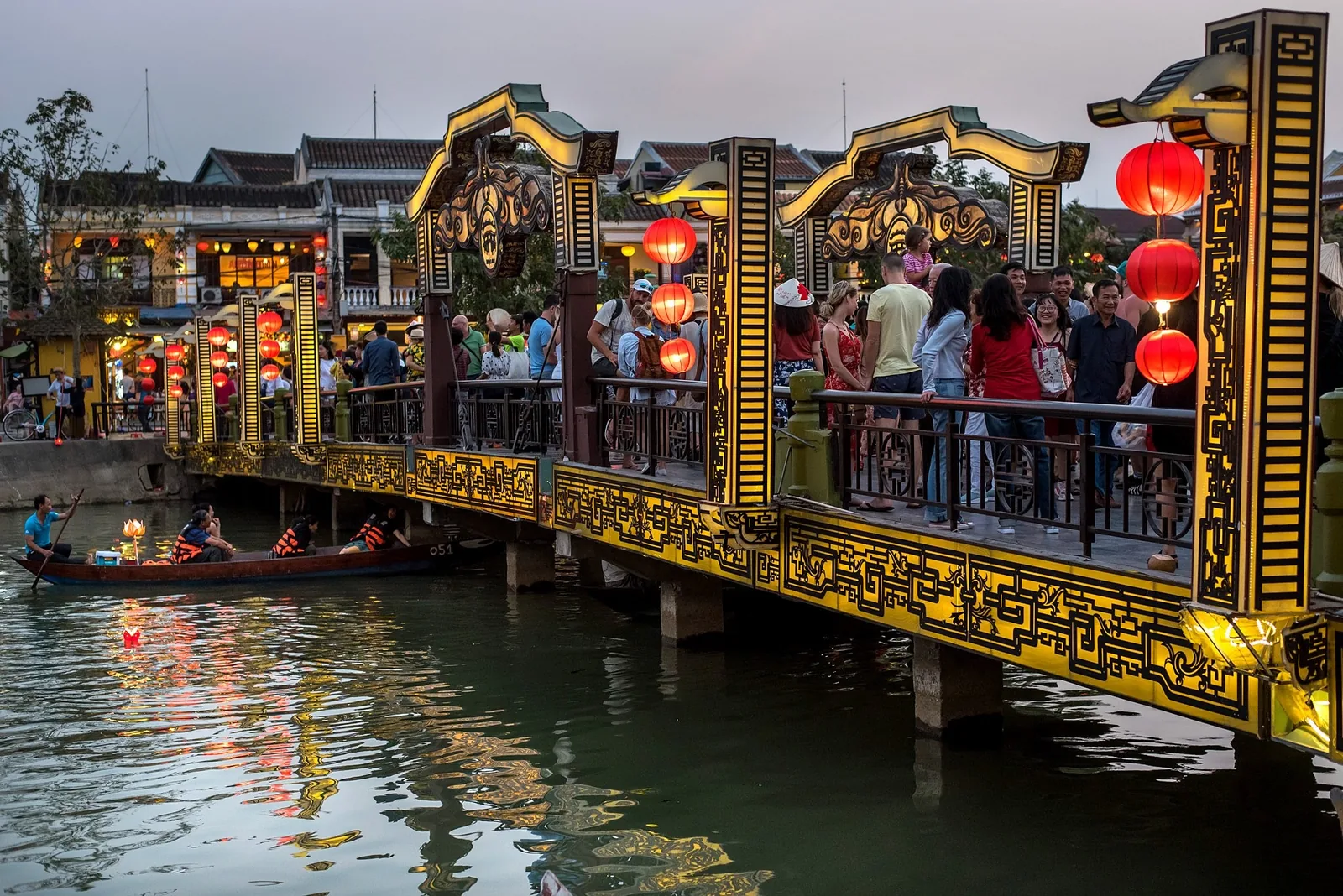
UNESCO calls Hoi An an exceptionally well-preserved South-East Asian trading port of the fifteenth to the nineteenth century. It survived because it failed: when the river silted and trade moved to Da Nang, nobody had money to replace the old buildings. The result is a town of timber shophouses with their fronts on the street and their backs on the river, Chinese assembly halls, family chapels, and the eighteenth-century Japanese bridge.
It is also, today, one of the busiest places in Vietnam. In the evening the old town fills with visitors, lantern sellers and boats on the river, and many of the old houses are shops. The town that UNESCO inscribed is still there, but you see it at 07:00, before the shops open, or after 22:00, not at 19:00. A guide who knows the families and the assembly halls can take you inside the buildings that are still homes and temples rather than storefronts.
What My Son actually is
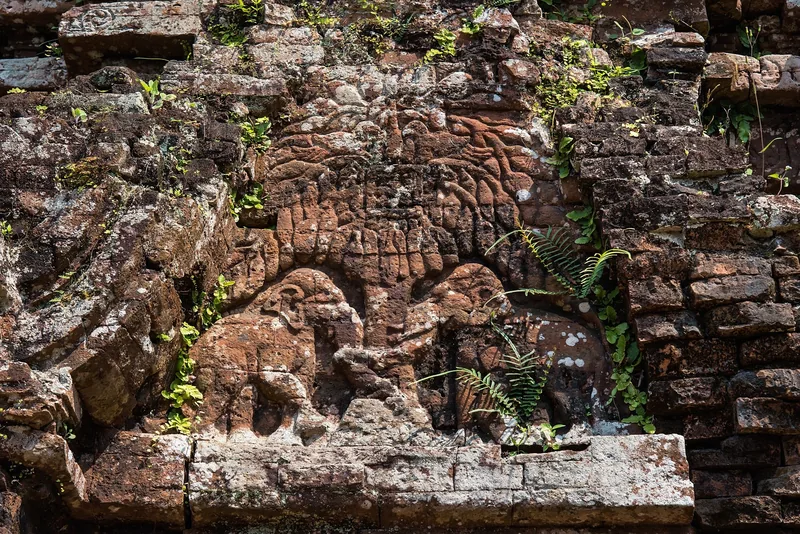
My Son lies in a basin surrounded by hills, about an hour inland. For roughly nine centuries it was the religious heart of Champa, a Hindu kingdom whose rulers worshipped Shiva. UNESCO counts 71 standing structures in eight groups, built in fired brick with sandstone carving. Many were badly damaged in the twentieth-century wars, and the bomb craters are still visible.
The site rewards an early visit more than almost any other in the region. It opens at 06:00. Tour buses from Hoi An tend to arrive later in the morning, and by 09:00 between April and September the valley is hot and airless. In the first hour the light comes over the hills behind the towers and the brick turns red.
How many nights
Three nights in Hoi An is what we suggest: one morning for My Son, one for the old town at its quiet hour, one for the craft villages along the river, where pottery is still turned and timber still joined by hand. Two nights works if you accept seeing the old town in the busy evening. Staying in Hoi An rather than Da Nang matters: the drive each way eats into the early and late hours that make the town worth visiting.
When to go
3 = ideal · 2 = good · 1 = difficult. Floods in the old town are common in October and November.
February to April is cool and dry. May to August is hot, and My Son must be done at opening. From September the rains build, and in October and November the Thu Bon regularly floods the riverside streets of the old town; sites close for days at a time. December and January are cooler and often grey but usually workable.
Getting there
- By air: Da Nang international airport is about 45 minutes from Hoi An by road.
- From Hue: about 3 to 4 hours by road, with the Hai Van Pass as an optional stop.
- To My Son: about 1 hour by road from Hoi An; an electric shuttle runs from the ticket gate to the tower groups.
What it costs on the ground
The old-town ticket for foreign visitors costs 120,000 VND and covers entry to five heritage sites; My Son costs 150,000 VND, including the electric shuttle and a performance of Cham dance. Check before you travel. Hotels in and beside the old town are dearer than those on the beach for the same standard; the premium buys you the early and late hours.
Sources: Da Nang to Hoi An — entrance fees 2026 (agency source) · checked .
When to skip Hoi An
- If you dislike crowds and cannot be up early. The evening old town is busy all year.
- If your dates are in late October or November and cannot move.
- If you want a beach week. Hoi An is near beaches, but the town is the reason to come.
Hoi An and My Son in pictures


Journeys that visit Hoi An and My Son
Three nights on the Imperial Hue, Hoi An and My Son week; two on the UNESCO Indochina fifteen days. Both put My Son at opening time.
Common questions
Questions travellers ask most
Is the Hoi An old-town ticket checked?
At the entrances to the ticketed buildings, yes, and sometimes at the edges of the old town. Keep it with you; it covers entry to five sites.
How long do we need at My Son?
Two to three hours on site with a guide. With the drive, a morning.
Are the lantern evenings worth seeing?
Once, perhaps. They are busy. We would rather you saw the old town at 07:00 and spent the evening at dinner away from the river.
Can we combine Hoi An with a beach?
Yes. Beach hotels are a short drive from the old town. Stay in town for the heritage nights and move to the beach at the end.
Related
Read next
Example journey
Hue, Hoi An and My Son 7 days
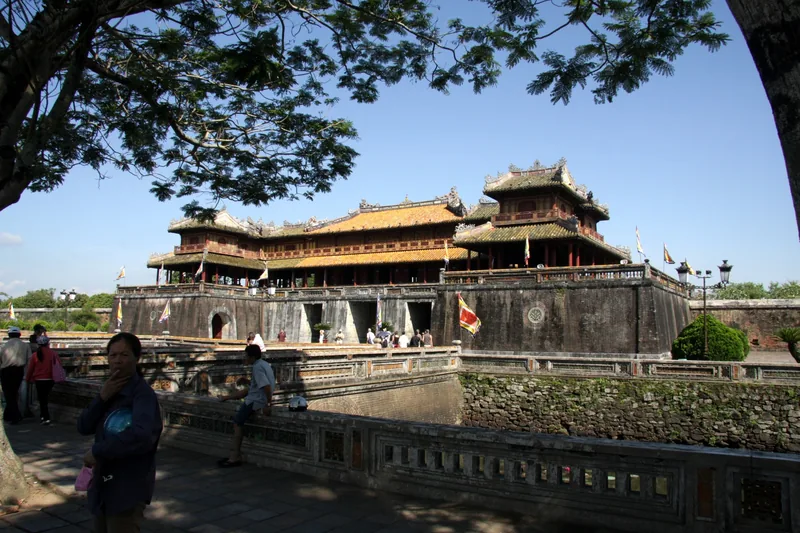
A week for Hue, Hoi An and My Son, timed for the quiet hours.
View this journey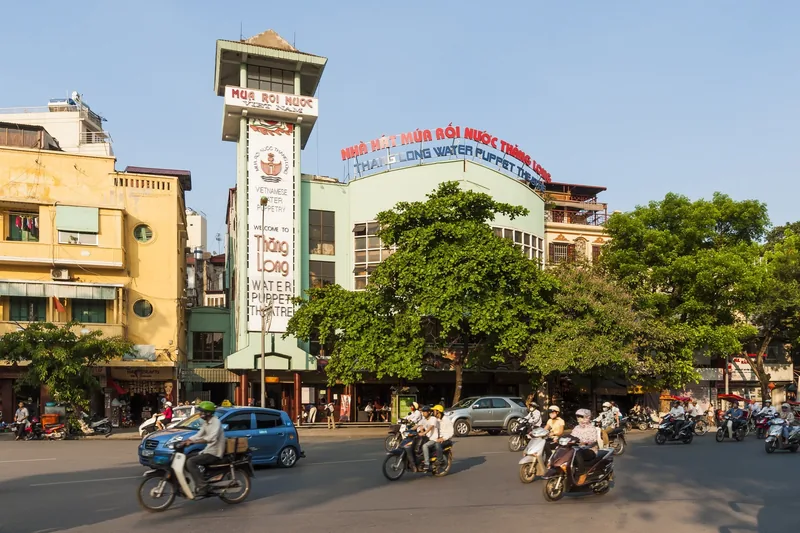
Example journey
UNESCO Indochina 15 days
Fifteen days, three countries, eight UNESCO listings, privately guided.
View this journey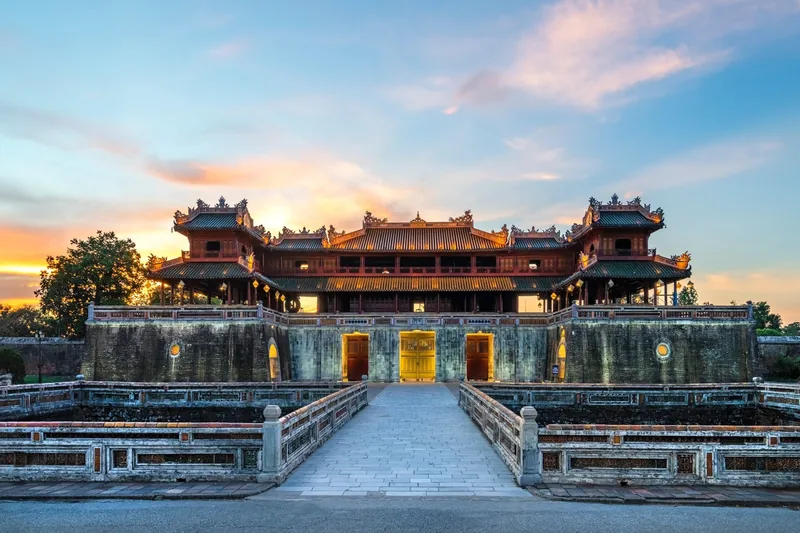
Destinations · Vietnam
Hue
The Nguyen capital: citadel, tombs and pagodas on the Perfume River.
View this journey
Heritage table
UNESCO heritage sites
All seventeen World Heritage properties, with years, hours and tickets.
View this journey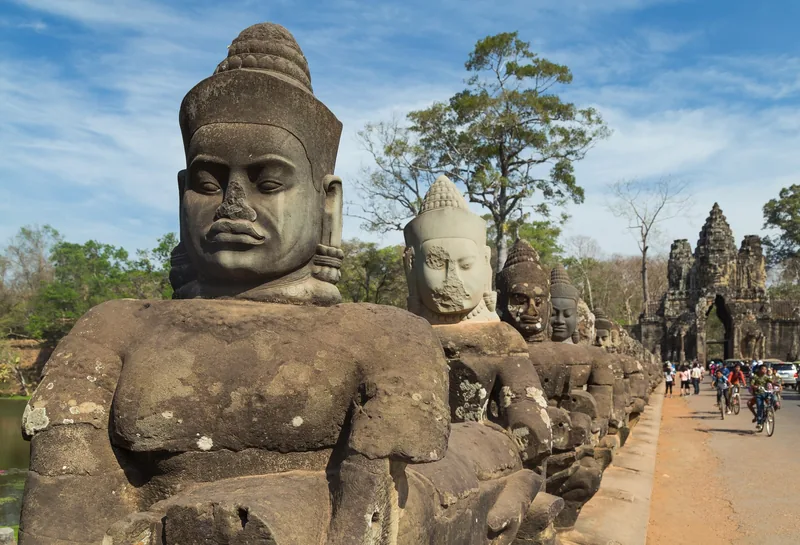
Tours · Prices
Prices
What a quote contains, what moves it, and the site tickets we can source.
View this journey
Destinations
Destinations
The four heritage places our journeys are built around.
View this journey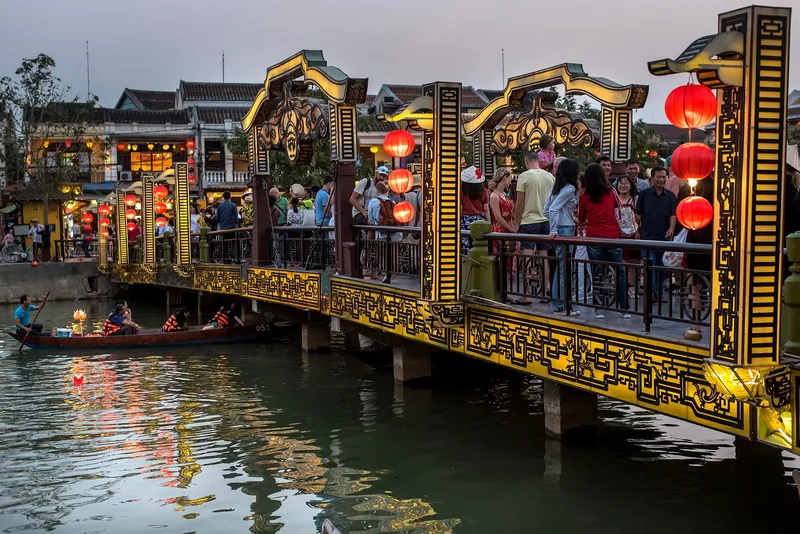
Start planning
Tell us about the trip you have in mind
Dates, party size and the places you care about are enough to start. You get a draft route and an indicative price, not a brochure.